General Dental Health Tips for the Whole Family
Keeping your family’s teeth and gums healthy does not have to be complicated, but it does require consistency and the right habits at every stage of life. From young children losing their first teeth to adults managing long-term oral health, the foundations of good dental care remain the same. This post covers practical, evidence-based tips to help every member of your family maintain a healthy mouth, along with guidance on when to visit your dentist for comprehensive treatment and preventive care.
Build Strong Daily Habits at Home
Brushing twice a day with a fluoride toothpaste is one of the most effective things you can do for your oral health. Use a soft-bristled toothbrush and spend at least two minutes covering all surfaces of your teeth, including the backs and along the gum line. For children, supervise brushing until around age eight to make sure technique is consistent and thorough.
Flossing daily is equally important and often overlooked. Flossing removes food particles and plaque from between the teeth where a toothbrush cannot reach. If traditional floss is difficult to manage, interdental brushes or a water flosser can be effective alternatives. Establishing these habits early in children sets the foundation for lifelong oral health.
Understand the Role of Diet in Dental Health
What your family eats has a direct impact on the health of their teeth and gums. Sugary foods and drinks feed the bacteria in the mouth that produce acid, which erodes tooth enamel over time and contributes to tooth decay. Limiting sugary snacks and drinks, particularly between meals, significantly reduces this risk. Water, especially fluoridated tap water, is the most tooth-friendly drink available.
Calcium-rich foods such as dairy products, leafy greens, and nuts support strong tooth enamel and healthy jawbone density. Crunchy fruits and vegetables like apples and carrots also help stimulate saliva production, which naturally neutralises acids in the mouth. A balanced diet supports not just general health, but your oral health as well.
Make Regular Dental Visits a Family Priority
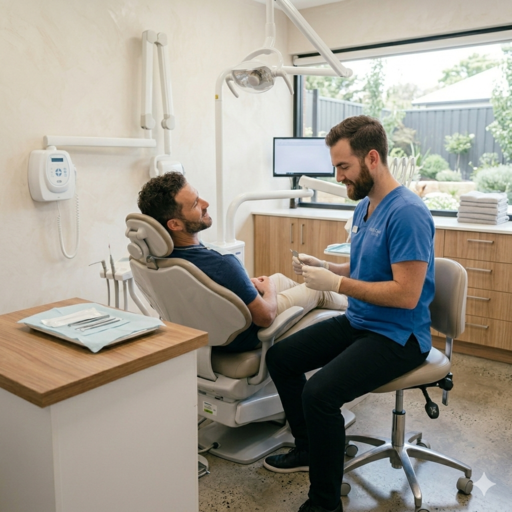
Routine dental examinations allow your dentist to detect issues early, before they develop into more complex problems. Most patients benefit from visiting every six months, though your dentist may recommend a different schedule based on individual needs. These visits typically include a thorough examination, a professional clean by a dental hygienist, and digital X-rays where needed to check for concerns not visible to the naked eye.
For families, bringing children to the dentist from an early age helps them feel comfortable in the dental environment and establishes preventive care as a normal part of life. New Dental Practice offers dedicated Children’s Dental Care as well as Preventive Dentistry services designed to keep the whole family’s oral health on track. Early intervention with treatments such as fillings and restorative care can prevent minor issues from becoming more involved procedures later on.
Protect Your Teeth During Sport and Sleep
Dental injuries during sport are common and largely preventable. A well-fitted mouthguard is one of the most effective ways to protect teeth, lips, and jaw during contact or collision sports. Custom-fitted mouthguards from your dentist offer far better protection and comfort than over-the-counter options, and they are available for both children and adults.
It is also worth considering the impact of teeth grinding, known as bruxism, which often occurs during sleep. Grinding can wear down enamel, cause jaw discomfort, and lead to increased tooth sensitivity over time. If you or your child wakes up with a sore jaw or headaches, speak to your dentist. Protective devices and personalised care plans can help manage the effects of grinding before significant damage occurs.
Frequently Asked Questions
At what age should my child first visit the dentist?
It is generally recommended that children have their first dental visit around the time their first tooth appears, or by their first birthday. Early visits help children become familiar with the dental environment and allow the dentist to monitor development from the start.
How often should the whole family have a dental check-up?
For most people, a check-up every six months is a good general guide. However, individual needs vary. Your dentist will recommend the most appropriate schedule based on each family member’s oral health history and current condition.
Are digital X-rays safe for children?
Yes. Digital X-rays use significantly less radiation than traditional film X-rays and are considered safe for patients of all ages. They provide detailed images that help your dentist identify concerns such as tooth decay or developmental issues that are not visible during a standard examination.
What should I do if my child knocks out a tooth?
If a permanent tooth is knocked out, keep it moist by placing it in milk or holding it gently in the cheek and contact an emergency dentist immediately. Time is critical in these situations. For baby teeth, contact your dentist for guidance as replanting is generally not recommended.
Ready to book your family’s next dental visit? The experienced team at New Dental Practice in Smileville, NSW is here to provide personalised care for every member of your family. Call us on (02) 5550 7290 or visit newdentalpractice.com.au to book an appointment today. The team at A Dental Care looks forward to supporting your family’s oral health.
Disclaimer: This blog post is intended for general educational purposes only and does not constitute professional dental advice. Individual oral health needs vary. Please consult a qualified dental professional for advice tailored to your specific circumstances. Individual results and treatment outcomes may vary.