General Dental Health Tips for the Whole Family
Keeping your family’s teeth and gums healthy is one of the most valuable investments you can make in their overall wellbeing. From toddlers cutting their first teeth to adults managing the demands of a busy life, good dental habits look a little different at every stage. This post walks through practical, evidence-based tips that families in Smileville and beyond can follow every day, along with guidance on when to seek professional care from an experienced dental team.
Building Strong Daily Habits at Home
A consistent daily routine is the foundation of good oral health for every member of the family. Brushing twice a day with a fluoride toothpaste, for a full two minutes each time, removes the plaque that builds up on tooth surfaces and along the gum line. For children under eight, a parent or carer should assist with brushing to make sure all surfaces are cleaned thoroughly. Using a soft-bristled brush and replacing it every three months also makes a meaningful difference to how effectively plaque is removed.
Flossing is just as important as brushing, yet it is the step most families skip. Cleaning between the teeth each day removes food debris and plaque from areas a toothbrush simply cannot reach. For younger children, floss picks or interdental brushes can make the process easier and less frustrating. Establishing these habits early helps children carry them into adulthood, reducing the likelihood of tooth decay and gum disease over the long term.
Understanding the Role of Diet in Dental Health
What your family eats and drinks has a direct impact on the health of their teeth. Sugary foods and drinks, including fruit juices and flavoured milk, create an acidic environment in the mouth that weakens tooth enamel over time. Limiting sugary snacks to mealtimes rather than grazing throughout the day gives the mouth time to recover between exposures. Drinking water, particularly fluoridated tap water, is one of the simplest ways to support healthy teeth for children and adults alike.
Calcium-rich foods such as dairy products, leafy greens, and nuts contribute to strong tooth enamel and healthy jaw bones. Crunchy vegetables like carrots and celery also help stimulate saliva flow, which naturally neutralises acids in the mouth. Encouraging children to reach for these foods as snacks, rather than processed or sugary alternatives, builds dietary habits that support their dental health well into adulthood.
Why Regular Dental Examinations Matter
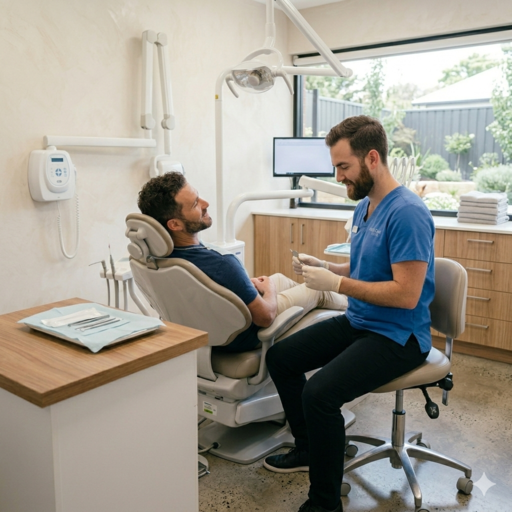
Many dental problems develop gradually and without obvious symptoms in the early stages. Regular dental examinations allow an experienced team to identify issues such as tooth decay, early gum disease, or developing alignment concerns before they become more complex to manage. At New Dental Practice, examinations include a thorough assessment of the teeth, gums, and surrounding tissues, supported by digital X-rays where needed to give a complete picture of your family’s oral health.
For children, routine visits also provide an opportunity to discuss preventive treatments such as fissure sealants and fluoride applications, which offer an additional layer of protection against decay. Adults benefit from professional cleans by a dental hygienist, which remove hardened plaque (calculus) that cannot be addressed with brushing alone. Most families do well with check-ups every six months, though your dentist may recommend a different schedule based on individual needs. Individual results and recommendations may vary.
Protecting Teeth During Sport and Play
Active children and adults face a real risk of dental injury during contact sports and recreational activities. A well-fitted mouthguard is one of the most effective ways to protect teeth, lips, and jaws from impact. Custom-made mouthguards, fitted by a dental professional, offer significantly better protection and comfort than over-the-counter alternatives, and they are far more likely to be worn consistently because they fit properly.
If a dental injury does occur, knowing how to respond quickly can make a significant difference to the outcome. A knocked-out adult tooth should be kept moist and the patient should be seen by a dentist as soon as possible. For any dental emergency, including broken teeth or severe toothache, contacting your dental practice promptly is always the right first step. Having a reliable emergency dentist you can call gives families peace of mind during stressful situations.
Frequently Asked Questions
At what age should my child first visit the dentist?
Most dental professionals recommend bringing children in for their first visit around the time their first tooth appears, or by their first birthday at the latest. Early visits help children become comfortable in the dental environment and allow the team to monitor development from the start.
How often should the whole family have a dental check-up?
For most families, a check-up every six months is a reasonable guide. However, individual needs vary. Your dentist will recommend a schedule that suits each family member’s oral health history and risk profile.
What should I do if my child is nervous about visiting the dentist?
Dental anxiety in children is very common. Choosing a practice experienced in children’s dental care, speaking positively about dental visits at home, and keeping the first few appointments low-pressure can all help. The team at New Dental Practice takes a gentle, patient approach with younger visitors.
Are mouthguards only necessary for contact sports?
Mouthguards are most commonly associated with contact sports, but they can also be beneficial for any activity where there is a risk of falls or impact. Your dentist can advise on whether a mouthguard is appropriate for your child’s specific activities.
Taking care of your family’s dental health does not need to be complicated. If you have questions about any of the topics covered here, or if it is time to book a check-up for yourself or your children, the team at New Dental Practice in Smileville, NSW is here to help. Call us on (02) 5550 0187 or visit newdentalpractice.com.au to make an appointment.
This blog post is intended for general educational purposes only and does not constitute dental advice. Please consult a registered dental professional for personalised guidance. Individual results and treatment needs may vary. New Dental Practice complies with AHPRA advertising guidelines.