Essential General Dental Health Tips for a Healthy Smile
Maintaining excellent oral hygiene is fundamental to your overall health and well-being. A healthy mouth contributes to your ability to eat, speak, and smile with confidence. This post will explore key dental health tips that you can easily incorporate into your daily routine, helping you understand the importance of regular care and how to prevent common dental issues. We will cover effective brushing and flossing techniques, the role of diet, and the significance of routine dental check-ups to keep your smile bright and healthy for years to come.
The Foundation: Brushing and Flossing Effectively
Proper brushing and flossing are the cornerstones of good oral hygiene. Brushing twice a day for two minutes each time, using a soft-bristled toothbrush and fluoride toothpaste, helps remove plaque and food particles from your teeth and gums. Hold your toothbrush at a 45-degree angle to your gums and use gentle, circular strokes. Remember to brush all surfaces of your teeth, including the outer, inner, and chewing surfaces, and don’t forget to gently brush your tongue to remove bacteria that can cause bad breath.
Flossing once a day is just as crucial as brushing. Flossing reaches areas that your toothbrush cannot, such as in between your teeth and under the gumline, where plaque can build up and lead to cavities and gum disease. Take about 45 centimetres of floss, wrap most of it around your middle fingers, and use your index fingers to guide it. Gently slide the floss between your teeth, curving it around each tooth in a C-shape, and move it up and down. Be gentle to avoid damaging your gums.
The Impact of Diet on Your Dental Health
What you eat plays a significant role in the health of your teeth and gums. Sugary foods and drinks are a major contributor to tooth decay, as bacteria in your mouth feed on sugar to produce acids that erode tooth enamel. Reducing your intake of sweets, soft drinks, and acidic beverages can greatly protect your teeth.
Instead, focus on a balanced diet rich in fruits, vegetables, lean proteins, and dairy products. Foods like cheese, milk, and plain yoghurt are excellent sources of calcium, which is vital for strong teeth. Crunchy fruits and vegetables, such as apples and carrots, can also help clean your teeth naturally by stimulating saliva flow, which helps to neutralise acids and wash away food particles.
The Importance of Regular Dental Check-ups
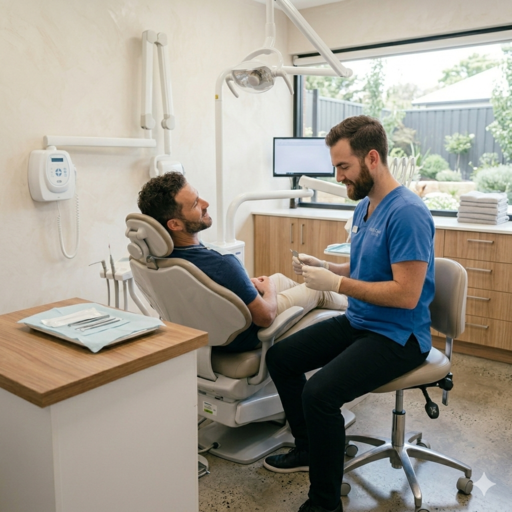
Even with diligent daily brushing and flossing, regular dental check-ups are indispensable for maintaining optimal oral health. We recommend visiting A Dental Care every six months for a professional cleaning and examination. During these appointments, our experienced team can identify potential issues early, often before they become more serious or painful.
A professional clean removes hardened plaque (tartar) that cannot be removed by brushing alone. During the examination, your dentist will check for cavities, gum disease, and other oral health concerns, including early signs of oral cancer. Early detection and intervention are key to effective treatment and can save you from more extensive procedures in the future, helping to preserve your natural teeth for longer.
Frequently Asked Questions
How often should I change my toothbrush?
You should change your toothbrush every three to four months, or sooner if the bristles are frayed. Frayed bristles are less effective at cleaning your teeth.
Is mouthwash necessary for good oral hygiene?
While not a substitute for brushing and flossing, mouthwash can be a helpful addition to your routine. Therapeutic mouthwashes can help reduce plaque, gingivitis, and bad breath. Discuss with your dentist if a particular mouthwash is suitable for your needs.
What are the signs of gum disease?
Common signs of gum disease include red, swollen, or tender gums, bleeding gums when brushing or flossing, persistent bad breath, and receding gums. If you notice any of these symptoms, it is important to visit your dentist promptly.
Can diet really affect my tooth sensitivity?
Yes, highly acidic foods and drinks can erode tooth enamel over time, exposing the dentin underneath and leading to increased tooth sensitivity. Limiting these items and maintaining good oral hygiene can help manage sensitivity.
Schedule Your Next Dental Health Visit
Prioritising your general dental health is a simple yet powerful way to invest in your overall well-being. By following these essential tips and attending regular check-ups, you can ensure your smile remains healthy and vibrant. If you have any questions or would like to book your next appointment, please contact A Dental Care in Smileville, NSW, at 02 9136 2523 or visit our website at https://newdentalpractice.com.au/. We look forward to welcoming you.
Any surgical or invasive procedure carries risks. Before proceeding, you should seek a second opinion from an appropriately qualified health practitioner.
Disclaimer: Individual results may vary. This information is for educational purposes only. Always consult a qualified dental professional.