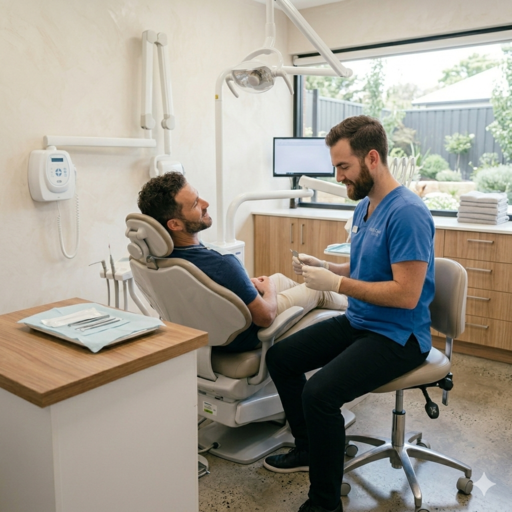
General Dental Health Tips: Understanding Your Options for a Healthier Mouth
Maintaining good dental health involves more than brushing twice a day. From the tools you use at home to the professional treatments available at your dentist, there are many options that work together to support your oral health over time. This post walks through the key areas of general dental care, comparing your choices so you can make informed decisions that suit your lifestyle, budget, and individual needs. Individual results and recommendations will always vary based on your personal dental history.
Home Care: Choosing the Right Tools for Your Routine
One of the most common questions patients ask is whether a manual or electric toothbrush is better. Both can be effective when used correctly, but electric toothbrushes often make it easier to maintain consistent pressure and coverage, particularly for those with limited dexterity or a tendency to brush too hard. Manual brushes, on the other hand, are portable, affordable, and perfectly adequate when used with the right technique for at least two minutes, twice daily.
Flossing is another area where patients have real choices. Traditional string floss remains a reliable option for removing plaque between teeth. Water flossers offer a comfortable alternative for those who find string floss difficult to manage, and interdental brushes can be useful for wider gaps between teeth. The right choice depends on your anatomy and personal preference. An experienced team can guide you toward the most suitable option during a routine visit.
Fluoride vs. Fluoride-Free Toothpaste: What the Evidence Shows
The toothpaste market has expanded considerably, and many patients are now weighing fluoride toothpaste against fluoride-free alternatives. Fluoride remains the most well-researched ingredient for strengthening tooth enamel and reducing the risk of decay. It works by remineralising areas of enamel that have been weakened by acid, which is a process supported by decades of clinical evidence.
Fluoride-free toothpastes, including those containing hydroxyapatite, are growing in popularity and show promising results in some studies. However, the evidence base is not yet as extensive as that for fluoride. For most adults and children, fluoride toothpaste at the appropriate concentration remains the recommended choice. If you have specific concerns about fluoride, discussing them with your dentist will help you weigh the options based on your own dental health profile.
Professional Cleans vs. At-Home Whitening: Understanding the Difference
Patients often compare professional scale-and-clean appointments with at-home whitening kits, assuming they serve similar purposes. In reality, they address different concerns. A professional clean removes hardened calculus and plaque that cannot be removed by brushing alone. This is a preventive treatment that supports gum health and helps detect early signs of decay or gum disease. It is a core part of comprehensive treatment and is recommended at regular intervals based on your individual risk factors.
At-home whitening products, meanwhile, focus on the colour of teeth rather than their health. Over-the-counter kits vary significantly in strength and consistency. Professional whitening treatments, provided under dental supervision, use higher-concentration agents and are applied with custom-fitted trays for more even coverage. Neither approach is universally suitable for all patients, and individual results may vary. A consultation with your dentist is the appropriate starting point before beginning any whitening treatment.
Preventive Care vs. Reactive Treatment: Why Timing Matters
A comparison that often goes undiscussed is the difference between addressing dental concerns early versus waiting until symptoms appear. Preventive care, including regular check-ups, X-rays, and professional cleans, allows your dentist to identify issues such as early decay, gum inflammation, or worn enamel before they require more involved treatment. Catching a small cavity early, for example, typically means a straightforward filling rather than a more complex procedure later.
Reactive treatment, while sometimes unavoidable, generally involves greater time, cost, and recovery. At A Dental Care, the focus is on personalised care that prioritises your long-term oral health through regular monitoring and modern techniques. Attending check-ups every six to twelve months, as recommended by your dentist, is one of the most practical steps you can take to maintain a healthy mouth over the years.
Frequently Asked Questions
How often should I visit the dentist for a check-up?
Most adults benefit from a check-up every six to twelve months, though your dentist may recommend a different frequency based on your individual risk factors, oral health history, and any ongoing concerns. Children may require more frequent monitoring during periods of dental development.
Is an electric toothbrush really better than a manual one?
Both can be effective. Electric toothbrushes can make it easier to maintain consistent technique, particularly for those with dexterity challenges. Your dentist can advise which option suits your specific needs during a routine visit.
Can I use whitening toothpaste every day?
Some whitening toothpastes contain abrasive particles that, with daily use over time, may contribute to enamel wear. It is worth discussing your toothpaste choices with your dentist to ensure they are appropriate for your enamel health and individual circumstances.
What is the difference between a scale-and-clean and a general check-up?
A general check-up involves an examination of your teeth, gums, and oral tissues, often including X-rays. A scale-and-clean is a separate treatment that removes hardened deposits from tooth surfaces. Both are typically recommended together as part of routine preventive care.
Ready to take a more informed approach to your dental health? The experienced team at A Dental Care is here to help you understand your options and build a routine that works for you. Book your next appointment by visiting newdentalpractice.com.au and take the next step toward maintaining your oral health with personalised care and high standards of treatment.
The team at A Dental Care
Disclaimer: This blog post is intended for general educational purposes only and does not constitute professional dental advice. Individual dental health needs vary, and the information provided may not apply to your specific circumstances. Please consult a qualified dental professional before making any changes to your oral health routine or treatment plan. Individual results may vary.