General Dental Health Tips for the Whole Family
Keeping your family’s teeth and gums healthy is one of the most valuable things you can do for their long-term wellbeing. From young children learning to brush for the first time, to adults managing the demands of busy daily life, good dental habits look a little different at every stage. This post covers practical, straightforward tips to help every member of your household maintain strong, healthy teeth. and explains what to look out for between dental visits.
Building Good Habits from an Early Age
Children who learn consistent oral hygiene routines early are far more likely to carry those habits into adulthood. Brushing twice a day with a soft-bristled toothbrush and a small amount of fluoride toothpaste is the foundation of any good routine. For children under six, a parent or carer should assist with brushing to make sure all surfaces are being cleaned properly. Making the process enjoyable. through a favourite song, a two-minute timer, or a brushing chart. can help young ones stay engaged rather than resistant.
Flossing is equally important and is often overlooked in family routines. As soon as two teeth are touching, flossing should begin. For younger children, floss picks can be easier to manage than traditional floss. Introducing these habits gently and without pressure helps children associate dental care with something normal and positive, rather than something to avoid.
What Adults Should Know About Daily Dental Care
Adults face their own set of dental health challenges, including gum disease, tooth wear from grinding, and the effects of diet and lifestyle on enamel. Brushing for a full two minutes, twice daily, and flossing once a day remains the cornerstone of good oral health at any age. Using a fluoride toothpaste appropriate for your needs, and replacing your toothbrush every three months, are small habits that make a meaningful difference over time.
Diet plays a significant role in dental health that is easy to underestimate. Frequent consumption of sugary or acidic foods and drinks can gradually wear down enamel and increase the risk of decay. Drinking water throughout the day, particularly fluoridated tap water, helps rinse away food particles and supports saliva production, which is the mouth’s natural defence against bacteria. Limiting snacking between meals also reduces the amount of time teeth are exposed to acids produced by oral bacteria.
The Importance of Regular Dental Check-Ups
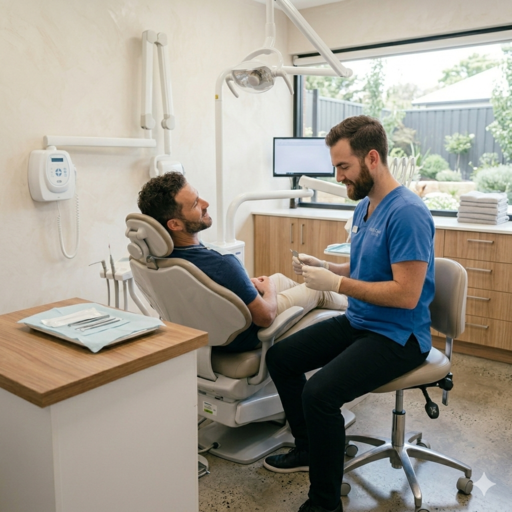
Even with an excellent home routine, professional dental check-ups are an essential part of maintaining oral health. A dentist can identify early signs of decay, gum disease, or other concerns that are not yet visible or causing discomfort. Early detection means simpler, less invasive treatment in most cases. For most patients, a check-up and clean every six months is recommended, though your dentist may suggest a different schedule based on your individual needs.
At A Dental Care, our experienced team uses modern techniques and thorough assessments to provide comprehensive treatment tailored to each patient. Whether it is a routine check-up for your child or a more involved review for an adult family member, our approach is always centred on personalised care and high standards. We understand that visiting the dentist can feel daunting for some patients, which is why we focus on making every appointment as comfortable as possible.
Protecting Your Teeth During Sport and Sleep
For families with active children or adults who play contact sport, a custom-fitted mouthguard is one of the most practical ways to protect teeth from injury. Over-the-counter mouthguards are widely available, but a professionally fitted guard offers far greater protection and is more comfortable to wear. This makes it more likely to actually be used during training and games.
Teeth grinding, known as bruxism, is another common concern that often goes unnoticed because it occurs during sleep. Signs can include worn tooth surfaces, jaw soreness in the morning, or headaches. If you or your child are experiencing any of these symptoms, it is worth raising them at your next dental appointment. Occlusal splints and other management options can help reduce the impact of grinding on your teeth over time. Individual results vary depending on the nature and severity of each case.
Frequently Asked Questions
How often should my child see the dentist?
Most children benefit from a dental check-up every six months. Your dentist will advise on the right schedule based on your child’s dental development and individual needs.
At what age should I bring my child in for their first dental visit?
It is generally recommended that children have their first dental visit around the time their first tooth appears, or by their first birthday. Early visits help children become familiar with the dental environment and allow the dentist to monitor development from the start.
Is fluoride toothpaste safe for young children?
Yes, fluoride toothpaste is recommended for children of all ages, though the amount used varies. A smear is appropriate for children under 18 months, and a pea-sized amount is suitable from 18 months onwards. Always supervise young children to ensure they spit rather than swallow.
What can I do if my child is anxious about visiting the dentist?
Keeping conversations about dental visits calm and matter-of-fact can help. Avoid using words that may create worry. Bringing children in for regular, low-pressure visits from a young age also helps build familiarity and comfort over time.
Ready to book your family’s next dental check-up? Reach out to our friendly team at A Dental Care to make an appointment. We welcome patients of all ages and are here to support your family’s dental health with gentle, personalised care every step of the way. The team at A Dental Care looks forward to seeing you.
Disclaimer: The information provided in this blog post is intended for general educational purposes only and does not constitute dental advice. Individual dental health needs vary. Please consult a qualified dental professional for advice specific to your circumstances. A Dental Care complies with AHPRA advertising guidelines.