General Dental Health Tips: How to Care for Your Teeth Every Day
Maintaining good dental health is one of the most important investments you can make for your overall wellbeing. Yet many patients are unsure whether their daily habits are actually protecting their teeth and gums as well as they should. This post covers practical, evidence-based tips to help you build a solid oral health routine at home, understand when to see a dentist, and make the most of the preventive and comprehensive treatment options available to you and your family.
Build a Strong Daily Oral Hygiene Routine
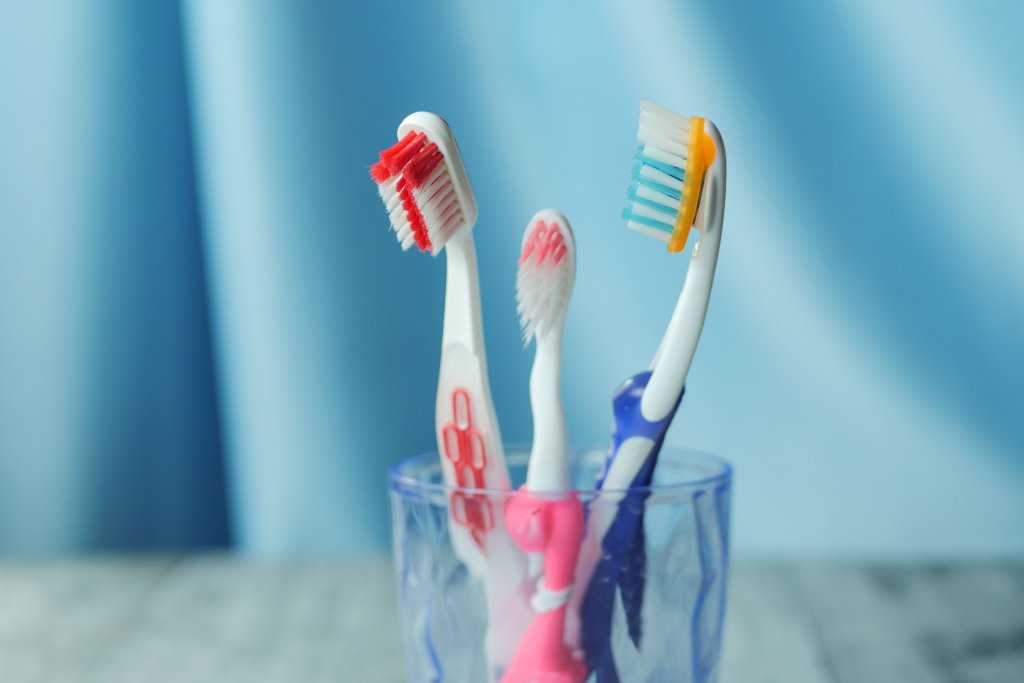
The foundation of good dental health starts at home. Brushing twice a day with a soft-bristled toothbrush and fluoride toothpaste removes the plaque that builds up on tooth surfaces throughout the day. It is important to brush for at least two minutes, covering all surfaces of each tooth including the back molars, which are easy to miss. Holding your brush at a 45-degree angle to the gumline helps clean along the gum margin, where plaque tends to accumulate most.
Flossing once a day is equally important and should not be skipped. Brushing alone cannot reach the spaces between teeth, where decay and gum disease often begin. If traditional floss feels awkward, interdental brushes or a water flosser can be just as effective. Rinsing with a fluoride mouthwash after brushing can provide an added layer of protection, particularly for patients who are prone to tooth decay.
Watch What You Eat and Drink
Diet plays a significant role in dental health. Foods and drinks that are high in sugar or acid create an environment in the mouth where harmful bacteria thrive and tooth enamel is gradually worn down. Soft drinks, fruit juices, sports drinks, and even some health foods can be surprisingly acidic. Limiting how often you consume these, rather than just how much, makes a real difference because each exposure triggers an acid attack on the enamel that can last up to 40 minutes.
On the other hand, foods rich in calcium and phosphorus, such as dairy products, leafy greens, nuts, and lean proteins, actively support strong teeth and healthy gums. Drinking water throughout the day, particularly fluoridated tap water, helps rinse away food particles and keeps the mouth hydrated. Staying well hydrated also supports saliva production, which is the mouth’s natural defence against decay.
Understand the Value of Regular Dental Visits
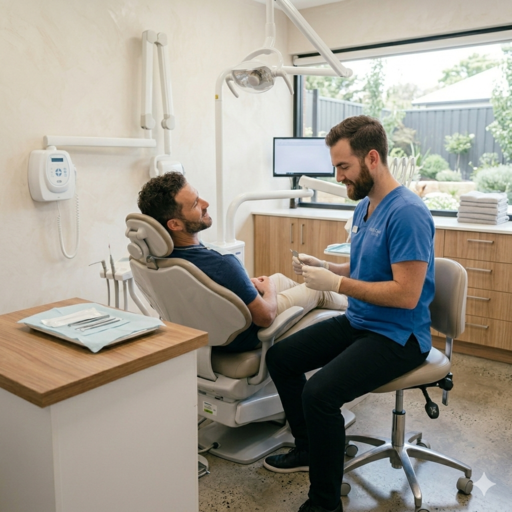
Even the most diligent home care routine cannot replace a professional dental examination and clean. Regular visits allow your dentist to detect early signs of tooth decay, gum disease, cracked tooth syndrome, and other conditions before they develop into more complex problems. Digital X-rays, available at A Dental Care, provide detailed images with minimal radiation, helping clinicians identify issues that are not visible to the naked eye.
A professional clean by an oral hygienist removes calculus (hardened plaque) that brushing and flossing cannot address. Most adults benefit from visiting the dentist every six months, though your dentist may recommend a different schedule based on your individual needs. Children, patients with a history of gum disease, and those undergoing orthodontic treatment may require more frequent appointments. Early intervention is nearly always simpler, more comfortable, and more cost-effective than waiting until symptoms appear.
Protect Your Teeth From Damage
Teeth can be damaged by more than just decay. Grinding and clenching, known as bruxism, is a common condition that wears down enamel, causes jaw discomfort, and can lead to cracked or fractured teeth over time. If you wake up with a sore jaw or headaches, it is worth discussing this with your dentist. A custom-fitted mouthguard worn at night can help protect your teeth from the effects of grinding.
Mouthguards are also strongly recommended for anyone who plays contact or collision sports. A properly fitted, custom mouthguard provides far greater protection than an over-the-counter option and can significantly reduce the risk of dental injuries. Avoiding habits such as chewing ice, opening packaging with your teeth, or biting your nails also goes a long way in preserving the integrity of your teeth over the long term. Small protective measures, taken consistently, make a meaningful difference.
Frequently Asked Questions
How often should I visit the dentist?
Most adults are advised to attend a dental examination every six months. However, your dentist will recommend a schedule suited to your individual oral health needs. Some patients may need more frequent visits, while others in excellent oral health may be seen annually.
At what age should children first see a dentist?
Children should have their first dental visit around the time their first tooth appears, or by their first birthday at the latest. Early visits help children become comfortable with dental care and allow the dentist to monitor development and provide preventive advice.
What causes tooth decay?
Tooth decay occurs when bacteria in the mouth feed on sugars and produce acids that erode tooth enamel. Poor oral hygiene, a diet high in sugar, dry mouth, and infrequent dental visits all increase the risk. Fluoride, good brushing habits, and regular professional cleans help manage this risk effectively.
Is teeth grinding something I should be concerned about?
Yes, persistent teeth grinding can cause significant wear to the enamel and may lead to cracked teeth, jaw pain, and headaches. If you suspect you grind your teeth, speak with your dentist. A custom mouthguard and further assessment can help protect your teeth. Individual results and treatment needs vary.
Ready to take the next step in caring for your dental health? The experienced team at A Dental Care in Smileville, NSW is here to provide personalised care in a comfortable, welcoming environment. Whether you are due for a routine examination, a professional clean, or would like to explore comprehensive treatment options for your family, we are ready to help. Contact us today to book your appointment at newdentalpractice.com.au.
The team at A Dental Care
Disclaimer: The information provided in this blog post is intended for general educational purposes only and does not constitute professional dental advice. Individual oral health needs vary, and outcomes from any dental treatment or preventive measure will differ from person to person. Please consult a qualified dental professional for advice tailored to your specific circumstances. A Dental Care complies with AHPRA advertising guidelines.