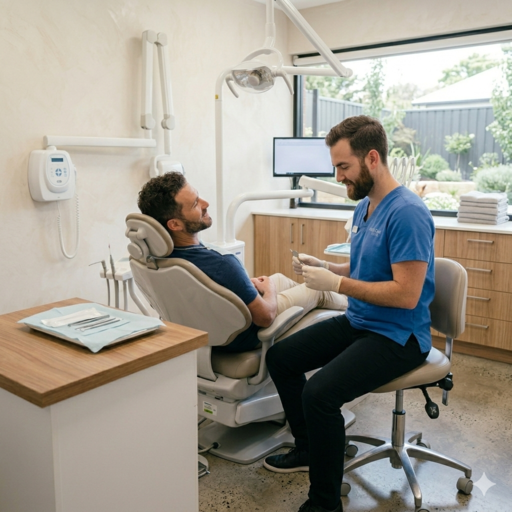
Waking up after a tooth replacement procedure often comes with questions about how to manage your recovery safely and effectively. Proper postoperative care plays a critical role in supporting the healing process and helping your new restorative treatment integrate smoothly. This guide outlines practical steps, dietary recommendations, and hygiene habits to maintain your oral health throughout every stage of recovery.
Immediate Postoperative Care: The First 48 Hours
The first two days following your surgical procedure require focused attention to promote clot formation and reduce localized swelling. Holding a cold pack against the outside of your cheek in twenty-minute intervals can help manage tissue inflammation. It is important to avoid strenuous physical exertion during this initial window, as elevated heart rates can increase localized bleeding and swelling at the site.
Gentle care around the surgical area is vital. Restrain from spitting forcefully, using straws, or touching the wound with your tongue or fingers. These actions can dislodge the stabilizing blood clot and delay the natural recovery process. If mild bleeding occurs, biting down gently on a clean piece of damp gauze for thirty minutes usually provides sufficient pressure to manage it.
Dietary Adjustments for Optimal Recovery
Choosing appropriate foods supports tissue repair while protecting the surgical site from unnecessary mechanical stress. For the first few days, focus entirely on a soft food diet. Nourishing options such as smooth soups, yoghurt, mashed vegetables, scrambled eggs, and smoothies eaten with a spoon provide necessary vitamins without placing pressure on your jawbone.
As healing progresses over the subsequent weeks, you can gradually reintroduce firmer foods based on your personal comfort levels. Avoid hard, crunchy, or sticky items like nuts, tough meats, and crusty bread until your clinician confirms that osseointegration is proceeding well. Additionally, avoid extremely hot liquids or spicy dishes, which can irritate sensitive gum tissue during the early healing phase.
Maintaining Oral Hygiene Around Implants
Keeping your mouth clean is essential to prevent bacterial buildup around the healing site, but cleaning methods must be adapted carefully. On the day of your procedure, avoid brushing directly over the surgical area. You may gently brush your other teeth using a soft-bristled toothbrush. Starting the day after treatment, warm salt water rinses can be used four to five times daily, particularly after meals, to clear food debris and soothe the gums.
Once the initial healing period concludes, long-term oral hygiene must be maintained to support the artificial root. Daily brushing, specialized flossing around the implant crown, and regular professional cleans are necessary to protect the surrounding bone and gum tissue from peri-implant disease. Individual results may vary based on systemic health, bone quality, and daily hygiene compliance.
Frequently Asked Questions
How long does the recovery process take after receiving a dental implant?
Initial soft tissue healing typically takes about one to two weeks. However, the underlying process of osseointegration, where the titanium post integrates with the jawbone, usually requires three to six months before the final crown can be secured.
What symptoms indicate a potential complication during healing?
While mild swelling and discomfort are normal, persistent severe pain, prolonged bleeding, fever, or a sensation of instability around the fixture require clinical evaluation. Contact your dental clinic promptly if these symptoms develop.
Can I smoke or drink alcohol during the healing period?
Smoking significantly increases the risk of healing failure by limiting blood flow to the gum tissue. Alcohol can interact with medications and delay tissue repair. It is strongly advised to avoid tobacco and alcohol during the initial healing phases.
Partner with New Dental Practice for Your Ongoing Care
Following post-treatment instructions carefully helps set the foundation for long-term functional stability. At New Dental Practice, our team evaluates your healing progress and provides personalized maintenance plans tailored to your specific oral health needs. If you have questions about your recovery or wish to book a follow-up consultation in Smileville, NSW, please call us on (02) 5550 0123 or visit https://newdentalpractice.com.au/.
Any surgical or invasive procedure carries risks. Before proceeding, you should seek a second opinion from an appropriately qualified health practitioner.