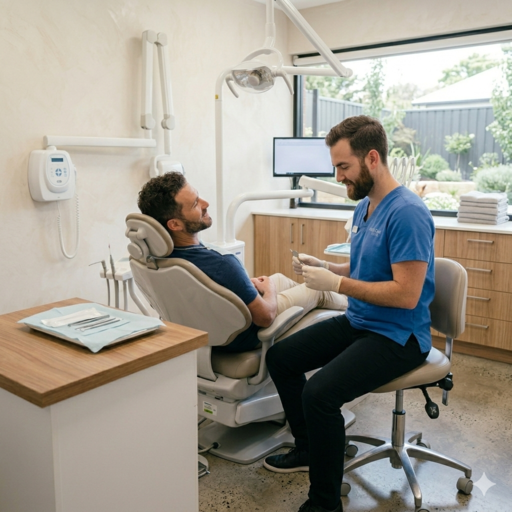
Receiving a dental implant is a significant step toward restoring a healthy, functional mouth. But the care you provide in the days, weeks, and months following your procedure plays a major role in how well your implant heals and how long it lasts. At New Dental Practice, we believe that well-informed patients recover more comfortably and achieve better long-term outcomes. This post covers the key aftercare steps to follow after your dental implant treatment, so you know exactly what to expect and how to look after yourself.
Managing Discomfort and Swelling in the First Few Days
Some degree of swelling, tenderness, and minor bleeding around the implant site is a normal part of the healing process. In the first 24 to 48 hours, applying a cold pack to the outside of your cheek in short intervals can help reduce swelling. Your dentist may recommend over-the-counter pain relief or prescribe medication to keep you comfortable during this initial period. It is important to follow any medication instructions carefully and to contact your dental team if discomfort feels severe or worsens after the first couple of days.
Rest is genuinely helpful during early recovery. Avoid strenuous physical activity for at least the first 48 hours, as increased blood flow can contribute to bleeding and swelling at the surgical site. Sleep with your head slightly elevated if possible, and avoid touching or probing the area with your tongue or fingers. These small adjustments make a meaningful difference to how your body begins the healing process.
Eating and Drinking After Your Implant Procedure
During the first week, stick to soft foods that require minimal chewing. Good options include yoghurt, mashed vegetables, scrambled eggs, soup, and smoothies. Avoid hard, crunchy, or chewy foods that could place pressure on the implant site before it has had time to settle. Chewing on the opposite side of your mouth is a sensible habit during this period. Hot foods and beverages should also be avoided for the first 24 hours, as heat can increase bleeding.
Alcohol and smoking are two things to avoid during the recovery period. Both can interfere with healing and increase the risk of complications, including implant failure. If you smoke, this is an important time to speak with your dentist about strategies to reduce or stop, as smoking has a well-documented impact on how well implants integrate with the jawbone. Staying well hydrated with water supports tissue recovery and oral health throughout the healing phase.
Keeping the Implant Site Clean
Maintaining good oral hygiene after implant surgery is essential, but it needs to be done carefully. For the first 24 hours, avoid rinsing vigorously or spitting forcefully. After this initial period, gentle rinsing with warm salt water two to three times a day helps keep the area clean and reduces the risk of infection. Your dentist may also recommend a specific antibacterial mouthwash during the early healing stages.
Brushing should continue as normal for the rest of your mouth, but take care around the surgical site. Use a soft-bristled toothbrush and brush gently near the implant area. Once your dentist confirms the site has healed sufficiently, you can resume your full oral hygiene routine, which should include brushing twice daily, flossing, and attending regular appointments with the oral hygiene team. Consistent hygiene is one of the most important factors in the long-term success of your implant.
Long-Term Care and Follow-Up Appointments
Dental implants require the same level of ongoing care as your natural teeth. Regular dental examinations and professional cleans allow your experienced team to monitor the health of the implant, the surrounding gum tissue, and the underlying bone. Attending these appointments consistently gives your dentist the opportunity to identify and address any concerns early, before they develop into more complex issues.
Over time, the implant crown or restoration may require assessment or minor adjustment. This is a normal part of comprehensive treatment and is nothing to be concerned about. If you notice any unusual symptoms at any point, such as persistent pain, swelling, or movement in the implant, contact New Dental Practice promptly. Individual results and healing timelines vary from patient to patient, so personalised care and ongoing communication with your dental team remain important throughout the life of your implant.
Frequently Asked Questions
How long does it take for a dental implant to heal?
Healing timelines vary between individuals. The initial soft tissue healing typically takes one to two weeks, but full integration of the implant with the jawbone (osseointegration) can take several months. Your dentist will monitor your progress at follow-up appointments and advise you on each stage of recovery.
Can I brush my teeth normally after implant surgery?
You can brush the rest of your teeth as normal, but use a soft-bristled toothbrush and be very gentle around the implant site in the early weeks. Your dentist will advise you when it is appropriate to resume your full brushing routine around the implant area.
What foods should I avoid after getting a dental implant?
Avoid hard, crunchy, chewy, or sticky foods during the initial healing period. Hot beverages and alcohol should also be avoided in the first 24 to 48 hours. Soft, nutritious foods are the most suitable choice while the site is healing.
When should I contact my dentist after implant treatment?
Contact your dental team if you experience severe or worsening pain, significant swelling that does not subside after a few days, signs of infection such as discharge, or any movement in the implant. Prompt communication helps address any concerns early and supports a healthy recovery.
If you have questions about dental implants or would like to discuss your aftercare with one of our experienced team members, we welcome you to get in touch. New Dental Practice sees patients across our four locations in Ooralea QLD, Capalaba QLD, Chermside QLD, and Paddington QLD. Call us on (02) 5550 0187 or visit newdentalpractice.com.au to book your appointment today.
The information provided in this post is general in nature and is intended for educational purposes only. It does not constitute clinical advice. Individual results and recovery experiences vary. Please consult your treating dentist for advice tailored to your specific circumstances. New Dental Practice complies with AHPRA advertising guidelines.