Uncovering the Truth: Essential Oral Hygiene Tips for a Healthy Smile
Maintaining excellent oral hygiene is fundamental for your overall health, extending far beyond just a bright smile. Many common beliefs about dental care, however, aren’t entirely accurate and can sometimes lead to less effective habits. This post will explore some essential oral hygiene practices, debunking common myths along the way, to help you understand how to truly care for your teeth and gums. We will cover effective brushing techniques, the importance of flossing, and the role of regular dental check-ups in maintaining your oral health.
The Right Way to Brush Your Teeth
Brushing your teeth is a daily ritual, but are you doing it correctly? A common misconception is that brushing harder cleans better. In reality, aggressive brushing can damage your tooth enamel and irritate your gums, leading to sensitivity and recession. The key is to use a soft-bristled toothbrush and apply gentle, circular motions, focusing on cleaning all tooth surfaces without scrubbing too vigorously. Aim for two minutes, twice a day, ensuring you reach every corner of your mouth.
Choosing the right toothpaste is also important. While many toothpastes promise various benefits, a fluoride toothpaste is generally recommended as fluoride helps strengthen tooth enamel and protect against decay. Consider an electric toothbrush for an effective clean, as many models have built-in timers and pressure sensors to guide your brushing technique. Remember to replace your toothbrush every three to four months, or sooner if the bristles become frayed, to ensure it remains effective.
Flossing: More Crucial Than You Think
Flossing often gets overlooked, with many people believing that brushing alone is sufficient. This is a significant myth. Brushing cleans the surfaces of your teeth, but it cannot effectively reach the tight spaces between teeth and under the gumline where food particles and plaque accumulate. These areas are prime breeding grounds for bacteria, which can lead to cavities and gum disease if not properly cleaned.
Daily flossing is vital for removing these hidden debris and plaque. Use about 45 centimetres of floss, winding most of it around your middle fingers and leaving a few centimetres to work with. Gently slide the floss between your teeth, curving it around each tooth in a ‘C’ shape and moving it up and down. Be careful not to snap the floss against your gums, as this can cause irritation. If you find traditional flossing challenging, interdental brushes or water flossers can be excellent alternatives to ensure those crucial areas are cleaned.
The Importance of Regular Dental Check-ups
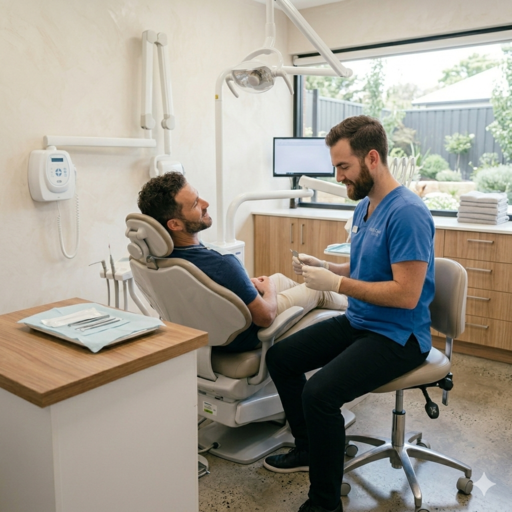
Some people believe they only need to visit the dentist when they experience pain or a problem. This is another common misunderstanding that can have serious implications for your oral health. Regular dental check-ups and professional cleans are essential for preventive care, even if you feel no discomfort. Many dental issues, such as early-stage cavities or gum disease, do not present with noticeable symptoms until they have progressed significantly.
During a routine check-up at A Dental Care, our experienced team can identify and address potential problems before they become more serious and costly to treat. Professional cleans remove hardened plaque (calculus) that cannot be removed by brushing and flossing alone, reducing your risk of cavities and gum inflammation. These regular visits allow us to monitor your oral health, provide personalised advice, and help you maintain a healthy, confident smile for years to come.
Frequently Asked Questions
How often should I brush my teeth?
You should brush your teeth at least twice a day, once in the morning and once before bed, for two minutes each time. This helps to remove plaque and food particles that accumulate throughout the day and night.
Is mouthwash necessary for good oral hygiene?
While mouthwash can offer additional benefits like fresh breath and some antimicrobial action, it is not a substitute for brushing and flossing. It can be a helpful addition to your routine but should not replace the mechanical cleaning of your teeth and gums.
Can diet affect my oral health?
Absolutely. A diet high in sugar and acidic foods can significantly increase your risk of tooth decay and erosion. Limiting sugary snacks and drinks, and choosing water over soft drinks, contributes greatly to maintaining good oral health.
What is the difference between plaque and calculus?
Plaque is a soft, sticky film of bacteria that constantly forms on your teeth. If plaque is not removed regularly through brushing and flossing, it can harden and turn into calculus (also known as tartar), which can only be removed by a dental professional.
Taking an active role in your oral hygiene is one of the most important things you can do for your health. By understanding and implementing effective brushing, flossing, and regular dental visits, you are investing in a healthier future. If you have any questions or would like to schedule your next check-up, please contact A Dental Care in Smileville, NSW. You can reach us on 02 9136 2523 or visit our website at https://newdentalpractice.com.au/ to book your consultation today.
Any surgical or invasive procedure carries risks. Before proceeding, you should seek a second opinion from an appropriately qualified health practitioner.
Disclaimer: Individual results may vary. This information is for educational purposes only. Always consult a qualified dental professional.