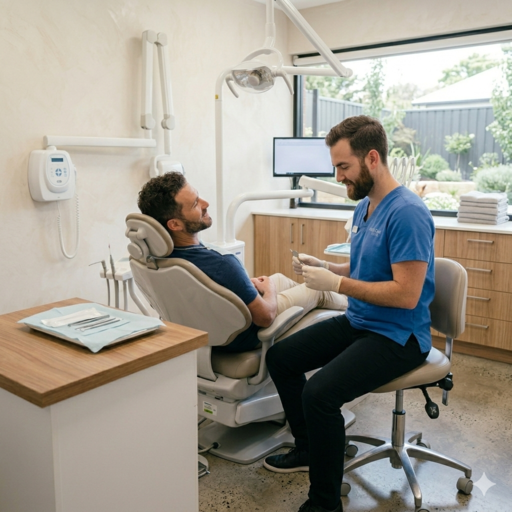
Pregnancy brings significant changes to your body, and your oral health is no exception. Hormonal shifts during pregnancy can increase the risk of gum disease, tooth decay, and other dental concerns that, if left unaddressed, may affect both you and your baby. Staying on top of your dental care during this time is an important part of a healthy pregnancy. This post explains what to expect, which dental treatments are appropriate during pregnancy, and how regular dental visits can support your wellbeing throughout each trimester.
How Pregnancy Affects Your Oral Health
Rising levels of oestrogen and progesterone during pregnancy can cause the gums to become more sensitive and reactive to plaque. This condition, known as pregnancy gingivitis, affects a significant number of pregnant women and typically presents as red, swollen, or bleeding gums. Without proper care, gingivitis can progress to more serious gum disease, which research has linked to adverse pregnancy outcomes including preterm birth and low birth weight.
Morning sickness is another factor that can take a toll on your teeth. Frequent vomiting exposes tooth enamel to stomach acid, which can erode the outer surface of your teeth over time. Rinsing with water or a fluoride mouthwash after vomiting, rather than brushing immediately, can help reduce enamel damage. Dietary changes during pregnancy, including increased snacking or cravings for sugary foods, can also raise the risk of tooth decay. Maintaining a consistent oral hygiene routine is especially valuable during this period.
Which Dental Treatments Are Safe During Pregnancy
Many women feel uncertain about attending dental appointments while pregnant, but routine dental care is considered safe and is actively encouraged throughout pregnancy. A dental examination and professional clean by an oral hygienist can help manage plaque and reduce the risk of gum disease progressing. Digital X-rays, when clinically necessary, can be taken with appropriate shielding and are generally considered safe, particularly from the second trimester onward. Your dentist will always take your pregnancy into account when planning any treatment.
Fillings and restorative care for tooth decay can also be carried out during pregnancy, and it is generally preferable to address decay promptly rather than allow it to worsen. The second trimester is often considered the most suitable time for non-urgent dental treatment, as the first trimester is a critical period of foetal development and the third trimester can make lying in the dental chair uncomfortable for extended periods. Your treating dentist will discuss timing and options with you based on your individual circumstances. Individual results and experiences may vary.
The Role of Preventive Care and Oral Hygiene
Preventive care is the foundation of good dental health during pregnancy. Brushing twice daily with fluoride toothpaste, flossing regularly, and attending scheduled dental check-ups are the most effective ways to keep your teeth and gums healthy. At New Dental Practice, our oral hygiene and dental hygienist services are well suited to supporting pregnant patients through professional cleaning and personalised hygiene advice tailored to the changes your mouth is experiencing.
Nutrition also plays a role in oral health during pregnancy. Calcium-rich foods support the development of your baby’s teeth and bones, while a diet lower in refined sugars reduces the risk of decay for both mother and child. If you are experiencing severe nausea or food aversions that are making it difficult to maintain your usual diet or oral hygiene routine, speaking with your dentist can help you find practical strategies to work around these challenges.
Planning Ahead for Your Baby’s Dental Health
Your oral health during pregnancy can have a direct influence on your child’s future dental health. The bacteria responsible for tooth decay can be transmitted from parent to child through shared utensils or contact. Taking steps to reduce your own levels of decay-causing bacteria before your baby arrives is a meaningful way to support their long-term oral health. New Dental Practice also offers children’s dental care, so when the time comes, your little one can receive attentive, age-appropriate dental support from an early age.
Starting dental care early for children, including their first dental visit around the time their first tooth appears or by their first birthday, helps establish healthy habits and allows any concerns to be identified promptly. Speaking with your dentist during pregnancy about what to expect for your child’s oral health is a practical step that many parents find reassuring.
Frequently Asked Questions
Is it safe to visit the dentist while pregnant?
Yes. Routine dental examinations and cleans are safe and recommended during pregnancy. Inform your dentist of your pregnancy, how far along you are, and any medications you are taking so they can plan your care appropriately.
When is the best time to have dental treatment during pregnancy?
The second trimester is generally the most suitable time for non-urgent dental treatment. However, dental emergencies and necessary restorative care can be managed at any stage of pregnancy with appropriate precautions.
Can gum disease during pregnancy affect my baby?
Research suggests a link between untreated gum disease and adverse pregnancy outcomes, including preterm birth and low birth weight. Maintaining good oral hygiene and attending regular check-ups helps manage this risk. Individual circumstances vary, and your dentist can provide guidance specific to your situation.
Are dental X-rays safe during pregnancy?
Digital X-rays involve very low radiation exposure and can be taken during pregnancy when clinically necessary, with appropriate protective shielding. Your dentist will only recommend X-rays when the clinical benefit outweighs any potential risk.
Speak With Our Team in Smileville
If you are pregnant or planning a pregnancy and would like to discuss your dental health, the team at New Dental Practice in Smileville, NSW is here to help. Call us on (02) 5550 0123 or visit newdentalpractice.com.au to book an appointment at a time that suits you.
This blog post is intended for general educational purposes only and does not constitute clinical advice. Please consult a qualified dental professional for advice specific to your individual health needs. Individual results and experiences may vary.