For many families, dental visits only happen when something hurts. But waiting for a problem to become painful often means more extensive treatment down the track. Regular dental check-ups are one of the most practical ways to protect the oral health of every family member, from young children through to adults. This post explains what happens during a check-up, why the frequency matters, and how preventive care can help your family avoid more complex dental issues over time.
What Happens During a Family Dental Check-Up
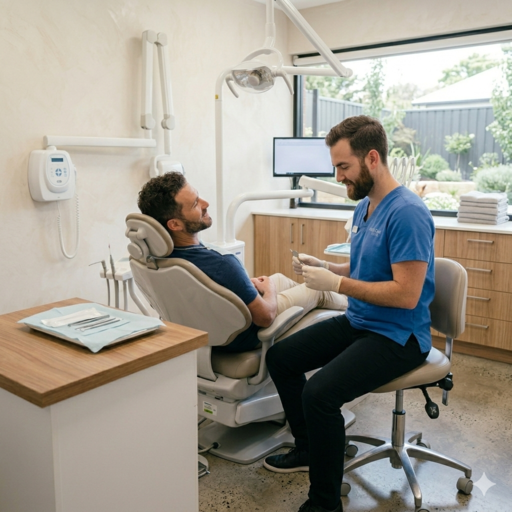
A routine dental examination is far more thorough than a quick look at your teeth. At New Dental Practice, a check-up typically includes a careful assessment of the teeth, gums, and surrounding oral tissues. Digital X-rays may be taken to identify issues that are not visible to the naked eye, such as decay between teeth, bone changes, or developing wisdom teeth. These modern imaging tools allow the dental team to detect concerns early, often before they cause any discomfort.
For children, check-ups also include monitoring the development of adult teeth and jaw growth. Early identification of crowding, bite concerns, or habits that may affect tooth alignment means families can access options like orthodontics or preventive dentistry at the right time. For adults, the examination covers gum health, signs of tooth decay, and any wear or cracking that may need attention. Each appointment is tailored to the individual, reflecting a personalised care approach rather than a one-size-fits-all routine.
The Role of Prevention in Long-Term Oral Health
Preventive dentistry is the foundation of good oral health for families. Professional cleaning by an oral hygienist removes plaque and tartar that brushing and flossing at home cannot fully address. Over time, built-up tartar contributes to gum disease, which is one of the leading causes of tooth loss in adults. Attending regular appointments helps keep gum health in check and reduces the risk of more serious conditions developing.
For children, preventive care can include fluoride treatments and advice on diet and brushing technique. These small, consistent measures make a meaningful difference to how children’s teeth develop and how well they are protected against decay. When families attend check-ups together, parents can also model positive dental habits for their children, reinforcing that dental visits are a normal and comfortable part of caring for your health.
Catching Problems Before They Become Costly
One of the clearest benefits of routine check-ups is early detection. A small area of decay treated with a filling is far less involved than a tooth that has been left until the decay reaches the nerve, which may then require more extensive restorative care or extraction. The same principle applies to cracked tooth syndrome, gum disease, and other conditions that progress gradually without obvious symptoms in the early stages.
Families who attend regular appointments tend to experience fewer dental emergencies. While an emergency dentist is available when unexpected issues arise, avoiding those situations through consistent preventive care is always preferable. Identifying concerns early also means treatment options remain broader, and the overall experience is generally more comfortable for patients of all ages.
How Often Should Your Family Visit the Dentist
For most families, a check-up every six months is a widely recommended interval. However, individual needs vary. Some patients with a history of gum disease, high decay risk, or ongoing orthodontic treatment may benefit from more frequent visits. Children going through significant dental development phases may also need closer monitoring. Your dental team can advise on the most appropriate schedule based on each family member’s specific circumstances.
It is worth noting that consistent attendance also helps children develop familiarity and comfort with the dental environment. Gentle, supportive appointments from an early age build a positive association with dental care that can last a lifetime. At New Dental Practice, the experienced team takes time with younger patients to ensure each visit feels manageable and unhurried, helping families across all our locations maintain healthy habits year after year.
Frequently Asked Questions
At what age should children have their first dental check-up?
It is generally recommended that children have their first dental visit around the time their first tooth appears, or by their first birthday. Early visits allow the dental team to monitor development and offer guidance on caring for baby teeth.
Are dental X-rays safe for children?
Digital X-rays use significantly lower radiation levels than traditional film X-rays. They are considered safe for children and are only taken when clinically necessary. Your dentist will discuss the reasons before proceeding.
What if my child is anxious about visiting the dentist?
Dental anxiety is common in children and adults alike. The team at New Dental Practice takes a gentle approach, moving at a pace that suits each patient. Letting children attend a parent’s check-up first can also help them feel more at ease.
Does my family need to visit the same dentist together?
There is no requirement to attend as a group, though many families find it convenient. Booking appointments together can simplify scheduling and helps establish dental care as a regular family routine.
New Dental Practice welcomes families across all our locations, including Ooralea QLD, Capalaba QLD, Chermside QLD, Paddington QLD, and Valbourne QLD. To book a check-up for yourself or your children, contact us on (02) 5550 0187 or visit our website. The experienced team is here to support your family’s oral health with personalised care and high standards at every visit.
The team at A Dental Care.
Disclaimer: This blog post is intended for general educational purposes only and does not constitute dental or medical advice. Individual circumstances vary, and treatment recommendations should always be discussed with a qualified dental professional. Please consult your dentist for advice specific to your or your child’s oral health needs.