Helping your child build strong oral hygiene habits early is one of the most valuable things you can do for their long-term health. Many parents are unsure when to start brushing, how much toothpaste to use, or what foods to watch out for. This guide covers the practical steps families can take at home to protect children’s teeth through every stage of development, from the first baby tooth through to the early teenage years.
Starting Early: Baby Teeth Matter More Than You Think
A common misconception is that baby teeth are temporary and therefore less important. In reality, primary teeth hold space in the jaw for adult teeth and play a key role in speech development and chewing. Tooth decay in baby teeth can cause pain, infection, and even affect the development of permanent teeth underneath.
Oral care should begin before the first tooth even appears. Gently wiping your baby’s gums with a clean, damp cloth after feeds helps remove bacteria and gets your child used to the sensation of mouth cleaning. Once the first tooth arrives, usually around six months of age, it is time to introduce a soft-bristled infant toothbrush and a tiny smear of low-fluoride toothpaste appropriate for their age group.
Building a Brushing Routine That Actually Works
Children need help brushing until they are around seven or eight years old, when their fine motor skills are developed enough to do a thorough job on their own. Until then, parents should brush for their child or closely supervise the process. Brushing should happen twice a day, for two minutes each time, covering all surfaces of every tooth.
Making brushing a consistent part of the morning and bedtime routine helps children accept it as a normal part of their day rather than a negotiation. Using a timer, a favourite song, or a brushing app can make the two minutes feel less daunting for younger children. Flossing should be introduced once two teeth are touching side by side, as a toothbrush cannot clean between contact points.
Diet and Its Impact on Children’s Teeth
What children eat and drink has a direct effect on the health of their teeth. Sugary foods and drinks feed the bacteria in the mouth that produce acid, and it is this acid that breaks down tooth enamel over time. Frequent snacking or sipping on juice, cordial, or soft drink throughout the day means the teeth are exposed to acid repeatedly, which increases the risk of tooth decay.
Water is the most tooth-friendly drink for children, particularly tap water in most parts of Australia, which contains fluoride. Dairy products such as cheese and plain yoghurt are also beneficial, as they help neutralise acid and provide calcium. When sweet treats are part of the diet, it is better to have them at mealtimes rather than as ongoing snacks, so the mouth has time to recover between exposures.
When to See a Dentist and What to Expect
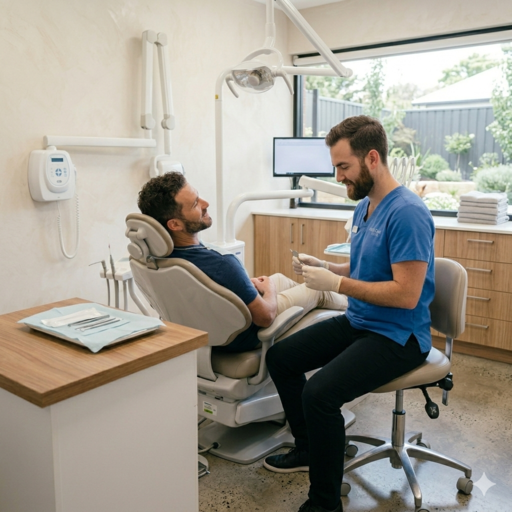
The Australian Dental Association recommends that children have their first dental visit by the time their first tooth appears or by their first birthday, whichever comes first. Regular check-ups every six months allow the dental team to monitor development, identify any early signs of tooth decay, and provide personalised guidance for your child’s specific needs. Early visits also help children become comfortable in the dental environment, which supports a positive attitude toward oral health throughout their life.
At New Dental Practice, our experienced team provides Children’s Dental Care across all of our locations, including Ooralea, Capalaba, Chermside, Paddington, and Valbourne. We take a gentle, reassuring approach with young patients and work with parents to create a comfortable experience. We also offer Preventive Dentistry services, Oral Hygiene appointments with our dental hygienist, Digital X-rays, and Mouthguards for children who play contact sports, giving families access to comprehensive treatment under one roof.
Frequently Asked Questions
At what age should my child start using fluoride toothpaste?
Children under 18 months should have their teeth cleaned with water only, unless a dentist advises otherwise. From 18 months to six years, a low-fluoride children’s toothpaste in a pea-sized amount is appropriate. Children over six can use a standard fluoride toothpaste.
How do I know if my child has tooth decay?
Early tooth decay may not cause any noticeable symptoms, which is why regular dental check-ups are important. Visible white spots, brown or dark patches on teeth, or complaints of tooth sensitivity or pain can all be signs that decay has progressed. A dental examination with Digital X-rays can detect decay at an early stage.
Are mouthguards necessary for children who play sport?
Yes. A properly fitted mouthguard significantly reduces the risk of dental injuries during contact and collision sports. Custom-made mouthguards, which our team can provide, offer a more comfortable and protective fit than over-the-counter options.
What should I do if my child knocks out a tooth?
If a permanent tooth is knocked out, keep it moist by placing it in milk or between the cheek and gum, and contact an emergency dentist immediately. For a baby tooth, do not attempt to reinsert it. Call the practice for guidance as soon as possible.
If you have questions about your child’s oral health or would like to book an appointment, contact New Dental Practice on (02) 5550 0187 or visit us at our website. We welcome families across our locations in Ooralea, Capalaba, Chermside, Paddington, and Valbourne. The team at A Dental Care looks forward to supporting your family’s dental health.
This blog post is intended for general educational purposes only and does not constitute dental advice. Please consult a qualified dental professional for advice specific to your child’s individual needs. Individual results and treatment needs may vary.