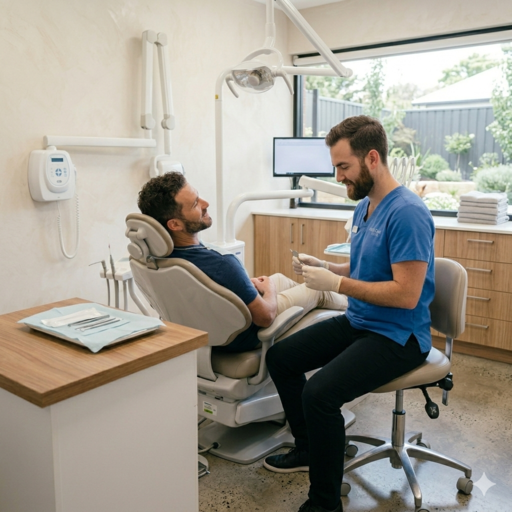
Understanding Dental Implants: Common Myths and Clinical Realities
Living with one or more missing teeth can affect how you chew food, speak clearly, and maintain overall oral health over time. While modern restorative options are widely available, many patients delay seeking treatment because of outdated information or misunderstandings about what the procedure actually involves. Clearing away these misconceptions helps you make informed choices about your long-term oral care. In this article, we examine the clinical facts behind dental implants, how the placement process works, and what you can realistically expect during your recovery period.
Myth 1: The Dental Implant Procedure Is Extremely Painful
One of the most persistent concerns patients express is that receiving a dental implant involves severe discomfort. In clinical practice, the placement of an implant is a precise surgical procedure performed under local anaesthesia. This means the immediate area is thoroughly numbed, preventing pain sensations during the appointment. Most individuals report that the sensation during placement is comparable to having a routine tooth extraction or a complex filling.
After the local anaesthetic wears off, some mild swelling, bruising, and localized discomfort are normal parts of the body’s natural healing response. These minor symptoms are typically manageable with over-the-counter pain relief medication recommended by your clinician. Detailed post-operative instructions are provided to support standard healing, which usually subsides within a few days. Every patient experiences recovery differently, and individual outcomes may vary based on general health and the complexity of the case.
Myth 2: Dental Implants Frequently Fail and Are Unreliable
Another widespread misconception is that the body routinely rejects dental implants. Dental implants are constructed from biocompatible titanium, a material widely used in medical procedures because the human body accepts it well. The treatment relies on a natural biological process known as osseointegration, where the surrounding jawbone gradually integrates with the titanium post over a period of several months to create a stable foundation for a replacement tooth.
While no surgical treatment carries a total guarantee of success, implant procedures have a consistently high clinical success rate when performed on suitable candidates. Factors that influence long-term stability include systemic health conditions, bone density, and habits such as smoking. Maintaining thorough daily oral hygiene and attending regular professional check-ups at New Dental Practice play a critical role in preserving the health of the surrounding gum tissue and underlying bone.
Myth 3: Dental Implants Are Only for Older Adults
Many people assume that tooth loss and implant therapy are concerns exclusive to older generations. In reality, adults of various ages may experience missing teeth due to facial trauma, severe decay, congenital absence, or advanced gum issues. Age itself is rarely the primary deciding factor for suitability; instead, clinicians evaluate jawbone maturity and general systemic health.
Younger patients whose jawbones are still growing are generally advised to wait until bone growth is complete before undergoing placement. Once full jaw development is reached, adults of any age can be assessed for treatment. The fundamental requirement is having adequate bone volume and healthy gum tissue to support the restoration. A comprehensive examination using digital X-rays helps determine whether this option aligns with your clinical needs.
Frequently Asked Questions
How long does the entire dental implant process take?
The timeline varies depending on individual healing rates and bone quality. Generally, the process spans three to six months. This allows adequate time for osseointegration to occur before the final custom crown is attached.
How do I care for a dental implant after placement?
Dental implants require the same diligent care as natural teeth. Daily brushing, regular flossing around the implant crown, and routine professional cleanings are essential to keep the surrounding gums healthy.
Are there any risks involved with implant surgery?
As with any minor surgical procedure, risks include localized infection, minor nerve irritation, or delayed healing. A thorough pre-treatment assessment helps identify and manage these potential factors before proceeding.
Consultation and Next Steps
Understanding the facts about tooth replacement allows you to approach your oral health decisions with clarity. If you are considering options for replacing missing teeth, the clinical team at New Dental Practice in Smileville, NSW is available to evaluate your oral health and discuss suitable treatment pathways. To arrange a comprehensive examination, contact our team on (02) 5550 0123 or visit our website at https://newdentalpractice.com.au/.
Any surgical or invasive procedure carries risks. Before proceeding, you should seek a second opinion from an appropriately qualified health practitioner. Individual results may vary.