Understanding Dentures: Restoring Function and Oral Health for Your Family
Missing teeth can impact how you eat, speak, and maintain overall oral health. For many families in Smileville, exploring options for tooth replacement becomes an important step in supporting long-term wellness for loved ones. Whether you are considering options for an ageing parent or seeking information on restoring complete oral function, modern dentures offer an effective pathway to manage missing teeth. This guide explains the types of dentures available, how they function, and what you can expect during the fitting process.
The Purpose and Types of Modern Dentures
Dentures are custom-made prosthetics designed to replace missing teeth and support the surrounding facial structures. They are constructed from durable materials, such as modern acrylics or metal alloys, to closely mimic the appearance and function of natural teeth. Depending on the number of teeth requiring replacement, your dentist may recommend either a full or partial appliance to restore proper chewing ability and speech clarity.
Full dentures are utilised when all natural teeth are missing in either the upper or lower arch. They sit directly on the gums and rely on natural suction or a light adhesive for stability. Partial dentures, on the other hand, are suitable when some natural teeth remain. These appliances use metal or tooth-coloured clasps that attach to neighbouring healthy teeth, filling the gaps while securing the surrounding structure against shifting. Individual results may vary based on anatomical considerations.
The Process of Getting Dentures at New Dental Practice
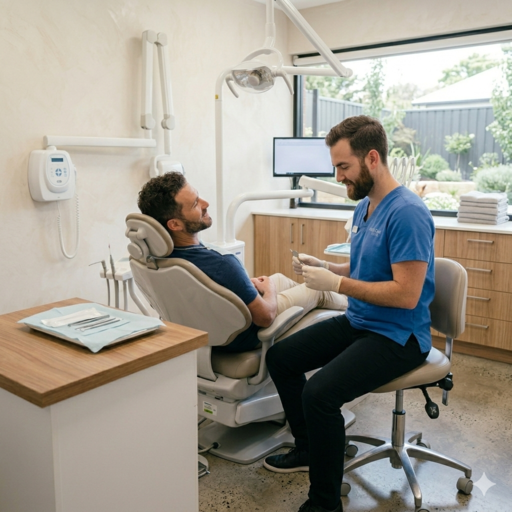
Receiving custom dentures involves a careful, structured clinical process to ensure appropriate fit and proper bite alignment. At New Dental Practice, the journey begins with a comprehensive oral evaluation and digital imaging to assess bone density, gum tissue health, and existing oral structures. Impressions are then taken to create detailed models of your mouth, which serve as the foundation for crafting the final prosthetic device.
Multiple fitting stages are usually required to refine the bite and contours of the appliance. During these try-in appointments, adjustments are made to optimize contact between the upper and lower arches. Once the final denture is fabricated, ongoing check-ups help address any localized pressure points or adjustments as your oral tissues adapt. Every restorative procedure carries inherent risks, including initial discomfort, and healing times vary between individual patients.
Caring for Dentures and Maintaining Oral Hygiene
Proper daily maintenance is essential to preserve the structural integrity of dentures and protect the health of your underlying gums. Dentures should be removed and rinsed after meals to eliminate food debris. Brushing the appliance daily with a soft-bristled brush and a non-abrasive cleaner helps prevent stain accumulation and bacterial buildup, as standard toothpaste can create microscopic scratches on acrylic surfaces.
Overnight care is equally important for maintaining healthy mucosal tissues. Soaking dentures in plain water or a recommended prosthetic solution prevents the material from drying out and changing shape. It is also vital to brush your gums, tongue, and any remaining natural teeth each morning and evening to support soft tissue health and prevent inflammation.
Frequently Asked Questions
How long does it take to adjust to wearing dentures?
Adapting to a new prosthetic appliance typically takes several weeks. During the initial transition phase, patients may experience minor irritation, increased saliva production, or temporary muscle fatigue in the cheeks and tongue as speech patterns adjust. Individual experience and adaptation rates vary.
Can I eat normally with new dentures?
Learning to chew with new prosthetics requires practice. It is recommended to begin with soft foods cut into small pieces, chewing evenly on both sides of the mouth to balance pressure. Hard, sticky, or tough foods should be introduced gradually as comfort improves.
How often should dentures be replaced?
Dentures generally require replacement or professional relining every five to seven years. Over time, the jawbone and gum tissue naturally change shape, which can affect the fit and stability of the appliance. Regular dental examinations ensure any fitting issues are addressed promptly.
Consult New Dental Practice in Smileville
If you or a family member are considering solutions for missing teeth, professional guidance can help you select the appropriate option. Contact New Dental Practice on (02) 5550 0123 or visit our clinic in Smileville, NSW to book a comprehensive consultation with our clinical team.
Any surgical or invasive procedure carries risks. Before proceeding, you should seek a second opinion from an appropriately qualified health practitioner.