Understanding Preventive Dentistry: Essential Care for Your Oral Health
Maintaining a healthy smile requires a consistent approach to oral care that goes beyond addressing issues only when discomfort arises. Preventive dentistry focuses on proactive measures designed to safeguard your teeth and gums from common conditions such as decay and periodontal disease. In this guide, we explore the core principles of preventive care, the role of routine examinations, and practical steps you can take at home to support your long-term oral health.
The Core Foundations of Preventive Dental Care
Preventive dentistry encompasses a range of clinical procedures and daily habits working together to maintain oral hygiene. The primary objective is to stop plaque and tartar from damaging tooth enamel and surrounding gum tissues. Plaque is a sticky film of bacteria that constantly forms on teeth. When plaque is not removed regularly through thorough brushing and flossing, it can harden into tartar, which requires professional instruments to remove.
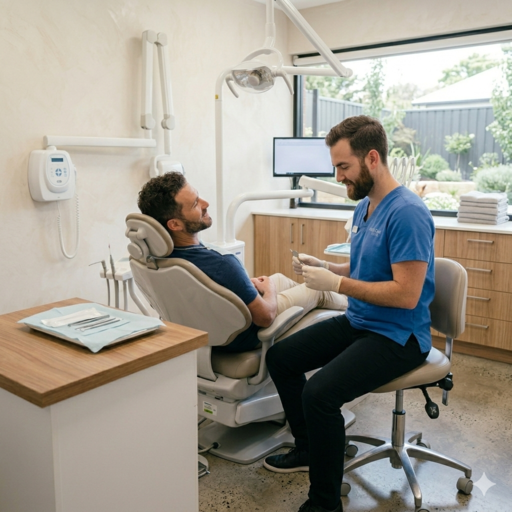
By attending regular appointments at New Dental Practice in Smileville, NSW, potential concerns can be identified before they develop into more complex issues. Routine cleans, combined with comprehensive assessments, help manage bacteria levels and support the overall stability of your teeth. Incorporating these measures into your ongoing healthcare routine helps protect natural tooth structure over time.
Essential In-Clinic Preventive Treatments
During a routine preventive appointment, clinical practitioners utilise specific diagnostic tools and treatments to monitor your oral health. Digital X-rays are commonly taken at periodic intervals to check the areas beneath the gums and between the teeth that are not visible during a standard visual inspection. These images assist in detecting early signs of tooth decay or bone structural changes.
Professional cleans, performed by a clinician or oral hygienist, remove stubborn tartar deposits. Practitioners may also apply topical fluoride treatments to help strengthen tooth enamel and make it more resistant to acid attacks caused by dietary sugars and bacteria. Individual outcomes depend on various factors, including baseline oral health and personal care habits.
Daily Habits to Support Your Oral Hygiene at Home
While professional care is essential, day-to-day habits form the foundation of preventive health. Brushing twice daily with a fluoride toothpaste helps reduce plaque buildup, while daily flossing cleans the spaces between teeth where toothbrush bristles cannot reach. Limiting the intake of sugary or acidic foods and beverages further protects enamel from erosion.
For individuals participating in contact sports, custom-fitted mouthguards offer valuable protection against physical trauma to the teeth and soft tissues. Combining appropriate protective gear with diligent daily hygiene and routine clinical checks creates a comprehensive approach to maintaining oral wellness.
Frequently Asked Questions
How often should I schedule a routine dental examination?
Most individuals benefit from visiting their dentist every six months for a general examination and clean. However, the specific frequency depends on your individual oral health profile, risk factors for decay or gum disease, and recommendations from your clinician.
What is the difference between plaque and tartar?
Plaque is a soft, colourless film of bacteria that continually builds up on teeth and can be removed with daily brushing and flossing. Tartar is hardened plaque that has calcified on the tooth surface and can only be safely removed by a dental professional using specialised equipment.
Are digital X-rays necessary during regular check-ups?
Digital X-rays provide detailed views of internal tooth structures and bone levels that are impossible to evaluate visually. They are taken periodically to help detect underlying issues early, though frequency is tailored to each patient’s specific health needs and history.
Why are custom mouthguards recommended for sports?
Custom-fitted mouthguards are designed to fit the precise contours of your teeth and jaw, absorbing impact and reducing the risk of dental fractures or soft tissue injuries during athletic activities compared to over-the-counter options.
Maintaining Your Oral Health in Smileville
Taking an active role in your dental health helps preserve your natural teeth and supports overall wellness. If you are due for a routine assessment or wish to discuss personalised preventive strategies, contact the team at New Dental Practice. Call us on (02) 5550 0123 or visit our practice in Smileville, NSW, to arrange your next appointment.
All dental procedures carry inherent risks and benefits. Patient outcomes are individual and variable; individual results may vary. Any surgical or invasive procedure carries risks. Before proceeding, you should seek an independent opinion from an appropriately qualified health practitioner.